


The Whole List of All Three MICHELIN Key Hotels in 2026
Release date: 2026-10-07Release Date: 2026-11-09 10:51:11
Deciding whether to rent or buy hotel items—such as linens, towels, commercial appliances, or furniture—depends heavily on your operational scale, your upfront capital, and how much control you want over your guest experience.
The decision breaks down across the core categories of hotel supplies.
At a Glance: Renting vs. Buying Hotel Items
| Attribute | Renting Hotel Items | Buying Hotel Items |
|---|---|---|
| Upfront Cost | Low to zero; highly predictable monthly billing. | Very high; requires substantial initial capital. |
| Long-Term Cost | Often higher over time due to recurring lease/service fees. | Lower over time once the asset pays for itself. |
| Maintenance | Included; provider handles repairs, laundering, and replacements. | Your responsibility; requires internal labor or outsourcing. |
| Customization | Low; limited to standard styles, colors, and thread counts. | High; full control over branding, custom colors, and logos. |
| Flexibility | High; easily scale inventory up or down with seasonality. | Low; locked into inventory levels and responsible for storage. |
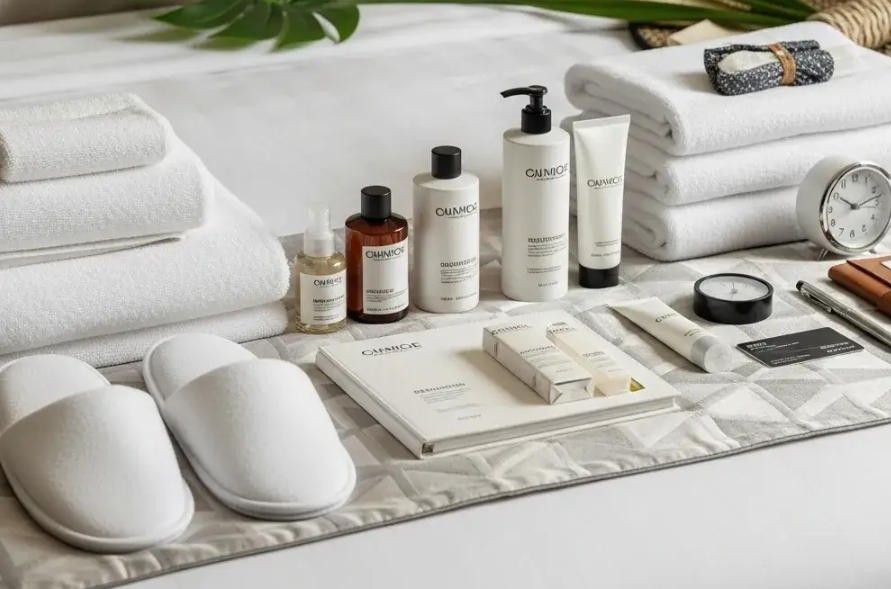
Linen & Towels (The Most Critical Choice)
The "Linen Hire vs. Customer-Owned Goods" debate is the most common dilemma for hoteliers and short-term rental hosts.
When to RENT: It is ideal for mid-scale hotels or businesses with limited storage and high seasonal swings. Rental companies bundle the textiles with commercial laundering services, taking care of pickup, stain treatment, and automatic replacement of damaged goods. This eliminates the need for an expensive on-premises laundry (OPL) facility.
When to BUY: If you run a high-end luxury boutique, buying hotel-grade linens to own is usually better. Rental companies typically provide basic, non-descript white linens designed for durability over comfort. Buying allows you to select custom thread counts, unique colors, or embroidered branding that elevates the guest experience.
Furniture & Fixtures (FF&E)
When to RENT: Renting furniture makes the most sense for temporary setups, event spaces, or short-term property staging. It allows you to frequently refresh the interior design to keep up with trends without managing an off-site warehouse to store old bulky inventory.
When to BUY: For permanent lodging facilities with a stable, multi-year design concept, buying is the more cost-effective choice. High-quality hospitality furniture is built to commercial construction standards and can be written off as a depreciating asset over several years. The total cost of renting typically surpasses the purchase price well within the first 14 to 24 months of operation.
Back-of-House Equipment (Kitchen & Cleaning)
When to RENT: High-maintenance, specialized machinery like commercial dishwashers or heavy-duty laundry pressers are excellent rental candidates. Rental contracts usually include regular calibration, free chemical/soap deliveries, and 24/7 emergency repair services—saving you from costly operational downtime.
When to BUY: Basic operational electronics (like in-room microwaves, hairdryers, and individual coffee makers) should be purchased in bulk from wholesale hospitality suppliers to lock in lower unit pricing.
For other things, for example, Bouncy Rentals is some supplier for party items, these items are not regularly used, which are perfect for just renting.
If you decide to buy hotel items, should you buy from local or import?
Deciding whether to buy hotel items from local suppliers or import them is a balancing act between immediate cost savings and operational reliability. For most hospitality businesses, the choice comes down to how customizable the items need to be and how quickly you might need replacements.
Here is how the two sourcing options compare for hotel operations.
Local vs. Imported Hotel Supplies
| Trade-Off | Buying from Local Suppliers | Importing (e.g., Overseas Manufacturers) |
|---|---|---|
| Unit Cost | Higher per item due to local labor and overhead costs. | Significant savings (often 30% to 50% cheaper) on bulk orders. |
| Minimum Order Quantity (MOQ) | Low to none; you can easily buy a few replacement sheets or items. | Very high; usually requires ordering by the pallet or full shipping container. |
| Lead Times & Delivery | Fast (days or weeks); reliable shipping and easier tracking. | Slow (months); vulnerable to customs delays and shipping disruptions. |
| Quality Control | Easier to sample, return defective items, or dispute issues. | Difficult to inspect before arrival; returns or exchanges are highly impractical. |
| Sustainability & Branding | Supports the local economy; marketable as an eco-friendly choice. | Higher carbon footprint due to long-distance freight. |
When to Buy Locally
Local sourcing acts as your operational safety net. You should lean toward local distributors for:
Fast-Turnaround Replacements: Hotel occupancy spikes unexpectedly, and items get stained, torn, or ruined daily. If you suddenly run low on towels, pillowcases, or glassware, a local supplier can restock you within 24 to 48 hours.
Heavy, Bulky Goods: Items like mattresses, bed bases, and heavy commercial appliances are expensive to ship. The high freight costs and customs duties of importing bulky furniture often wipe out any savings you would get on the base factory price.
Consumables & Guest Amenities: Small-batch items like locally made soaps, specialty coffee pods, or regional snacks can elevate your brand and create a more authentic, upscale experience for guests.
When to Import
Importing directly from manufacturing hubs (such as factories in Asia or specialized textile mills globally) makes sense when you have the time and storage capacity to plan far ahead. It is ideal for:
Large-Scale Procurement or Renovations: If you are launching a new property or executing a full Furniture, Fixtures, and Equipment (FF&E) refresh across dozens of rooms, importing custom-manufactured furniture, drapes, and lighting fixtures directly from the source yields massive budget savings.
High-Volume Commodities: Basic, predictable inventory that doesn't change from season to season—such as bulk laundry bags, uniform blanks, hangers, or standard electronic safes—are perfect for importing in large quantities.
Massive Storage Capabilities: To make importing financially viable, you must buy in bulk to offset shipping container fees. You should only import if you have an on-site warehouse or a cheap local storage solution to hold your excess inventory.
As a truested supplier for many luxury hotels, East West Hotel Textile offers hotel sheet sets, duvet covers, fitted and flat sheets, pillowcases, mattress protectors, toppers, bed runners, and down or microfiber-filled duvets and pillows. Visit East West Hotel Textile to compare hospitality textile categories and begin a specification-led sourcing conversation for your property.
Read More

The Whole List of All Three MICHELIN Key Hotels in 2026
Release date: 2026-10-07
Which 5 Star Hotel Brand Has the Best Hotel Bedding?
Release date: 2026-08-31
When Should A Hotel Rent or Buy for Hotel Items
Release date: 2026-11-09