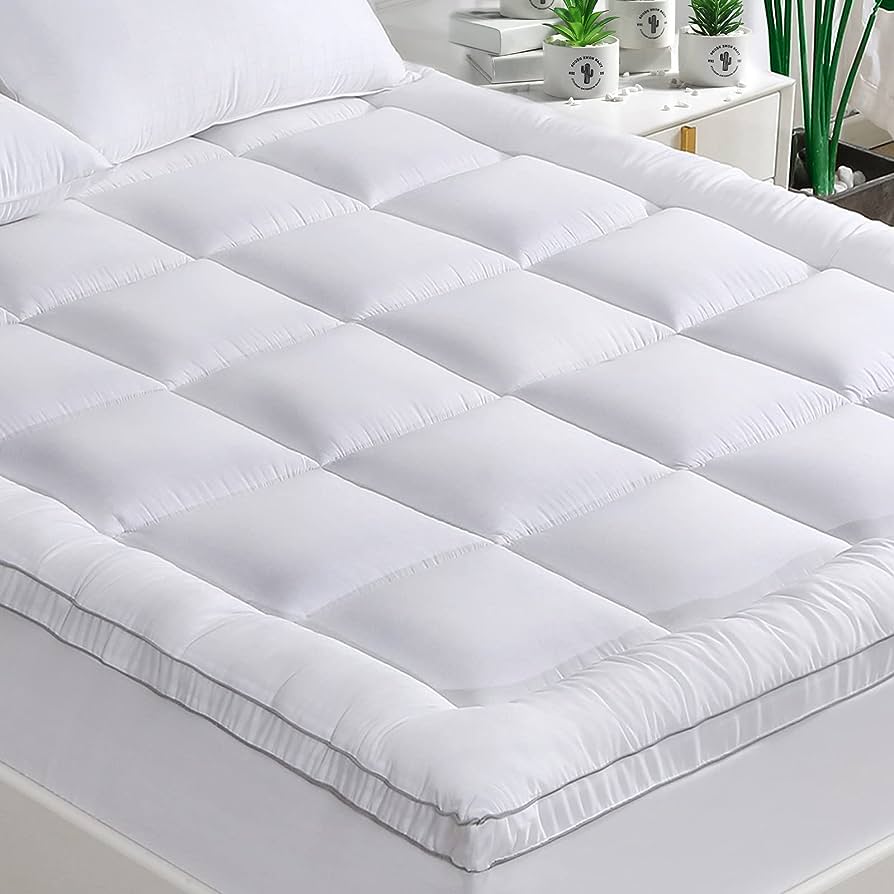
HOTEL MATTRESS TOPPER
| FEATURES | DESCRIPTION |
| Materials for Inserts | Goose or Duck Down/Feather,or Down Alternative Microfiber |
| Materials for Cover | 100% Cotton Featherproof Fabric |
| Size | Twin, Full, Queen, King, or Customized |
| Color | White or Customized |
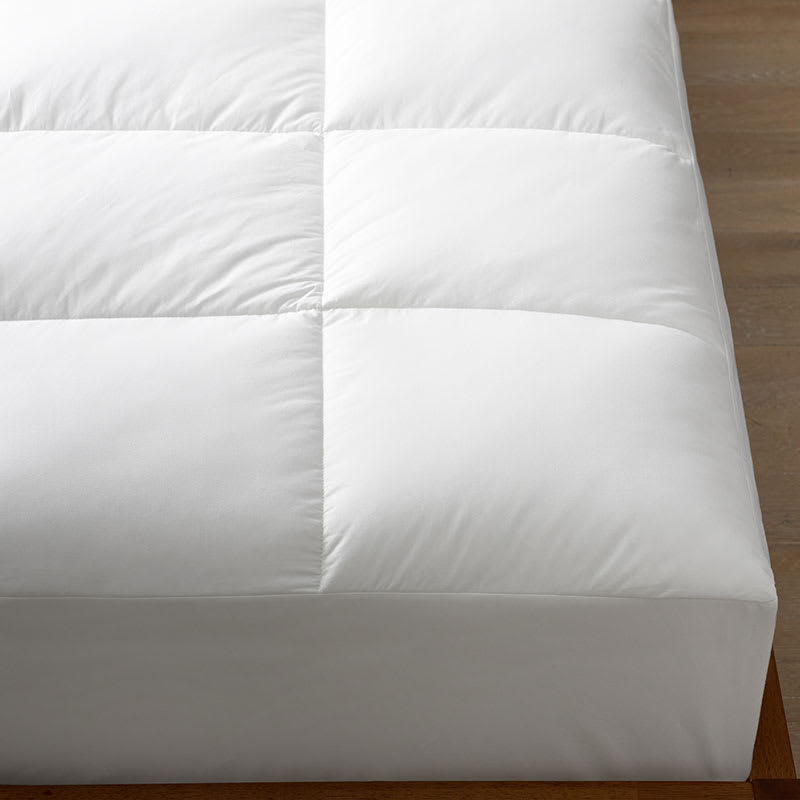
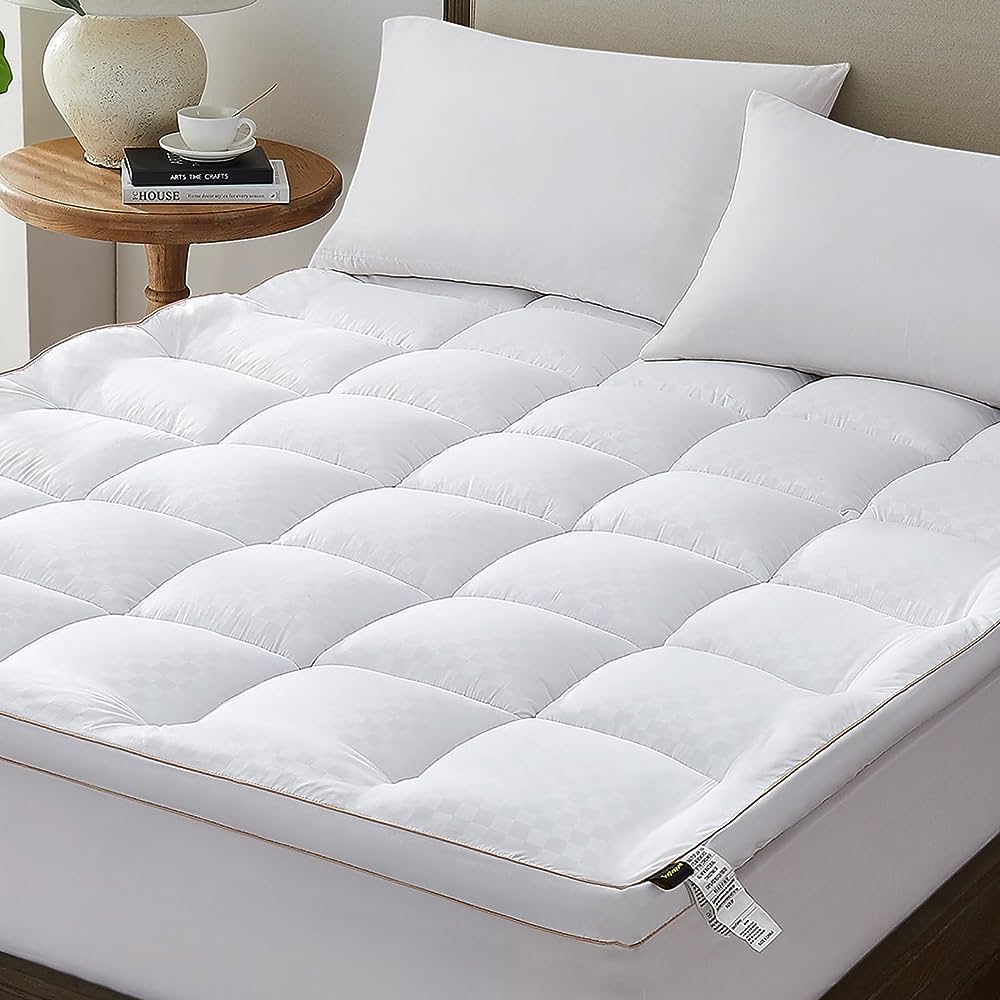
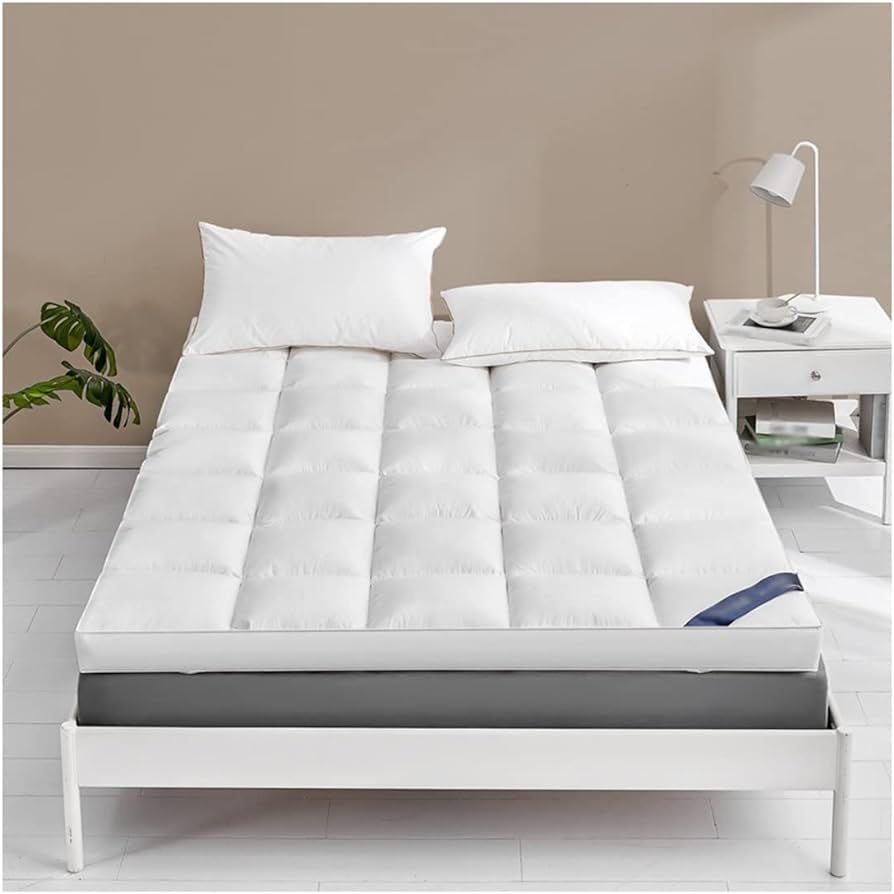
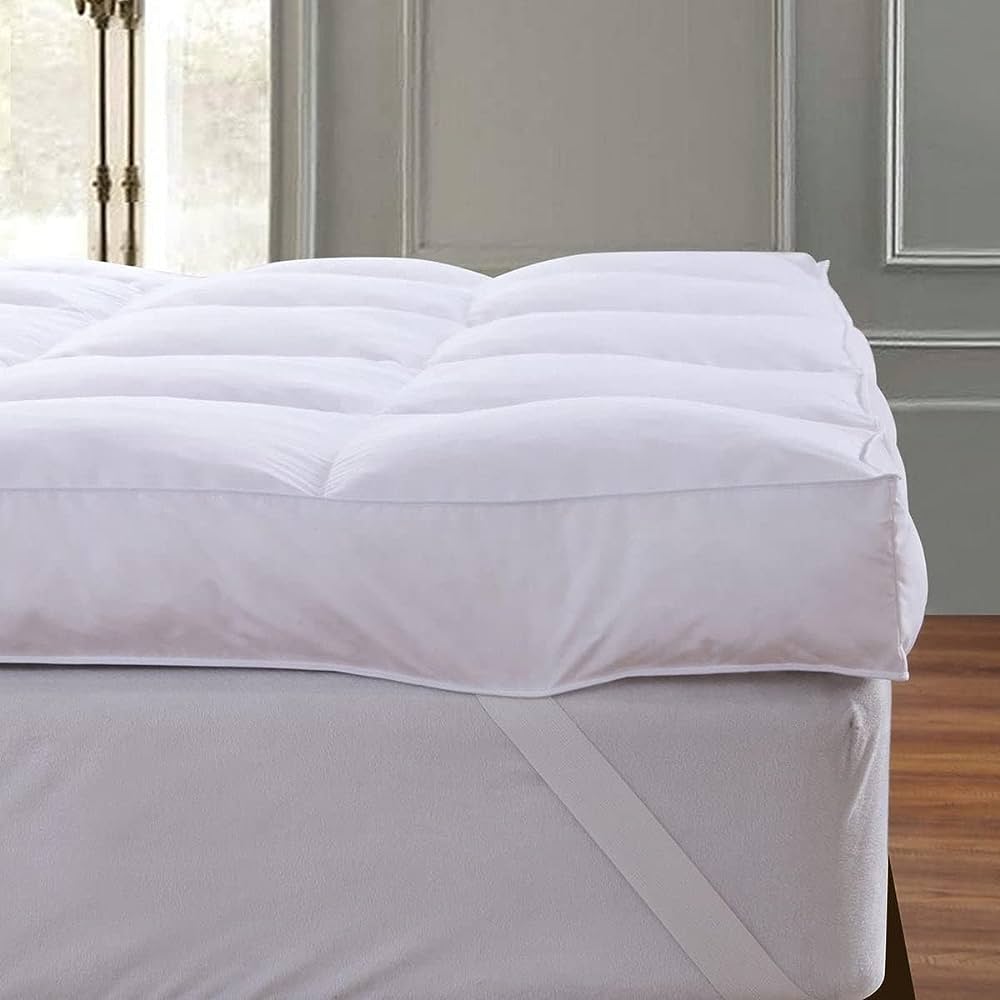
A hotel mattress topper is the "secret weapon" luxury hotels use to achieve that signature sink-in feeling. While the mattress itself provides the foundation and support, the topper is responsible for the immediate plushness and pressure relief that makes guests feel like they are floating.
In the hospitality world, mattress toppers are often referred to as "Featherbeds" or "Plush Toppers."
Unlike a thin mattress pad (which is mostly for protection), a hotel topper is thick—usually 2 to 4 inches deep.
Baffle Box Stitching: Just like hotel duvets, high-end toppers use a "box" stitch. This creates internal square pockets that prevent the filling from shifting or clumping, ensuring the bed looks perfectly level and stays fluffy.
GSM (Weight): Hotels look for a high GSM (Grams per Square Meter). A standard hotel topper often features a density of 800g/m² to 1200g/m², providing significant cushioning.
Hotels choose toppers based on a balance of luxury and guest allergies:
Natural Feather & Down: The gold standard for 5-star hotels (like the Marriott or Ritz-Carlton). They might use a mix (e.g., 50% small feathers for support and 50% down for softness) to create a "cloud" effect.
Microfiber / Cluster-Fill: A popular synthetic alternative. It uses "ball fibers" coated in silicone to mimic the fluidity of down. It is hypoallergenic and holds its shape longer under heavy use.
Gel-Infused Foam: Many modern hotels are moving toward hybrid toppers that include a layer of cooling gel foam. This provides orthopedic support for the back while preventing the "sleeping hot" issue common with memory foam.
HOTEL MATTRESS PROTECTOR
| FEATURES | DESCRIPTION |
| Materials for Inserts | Hollowfiber |
| Materials for Cover | 100% Polyester or 100% Cotton,with Waterproof Layer or Not |
| Size | Twin, Full, Queen, King, or Customized |
| Color | White or Customized |
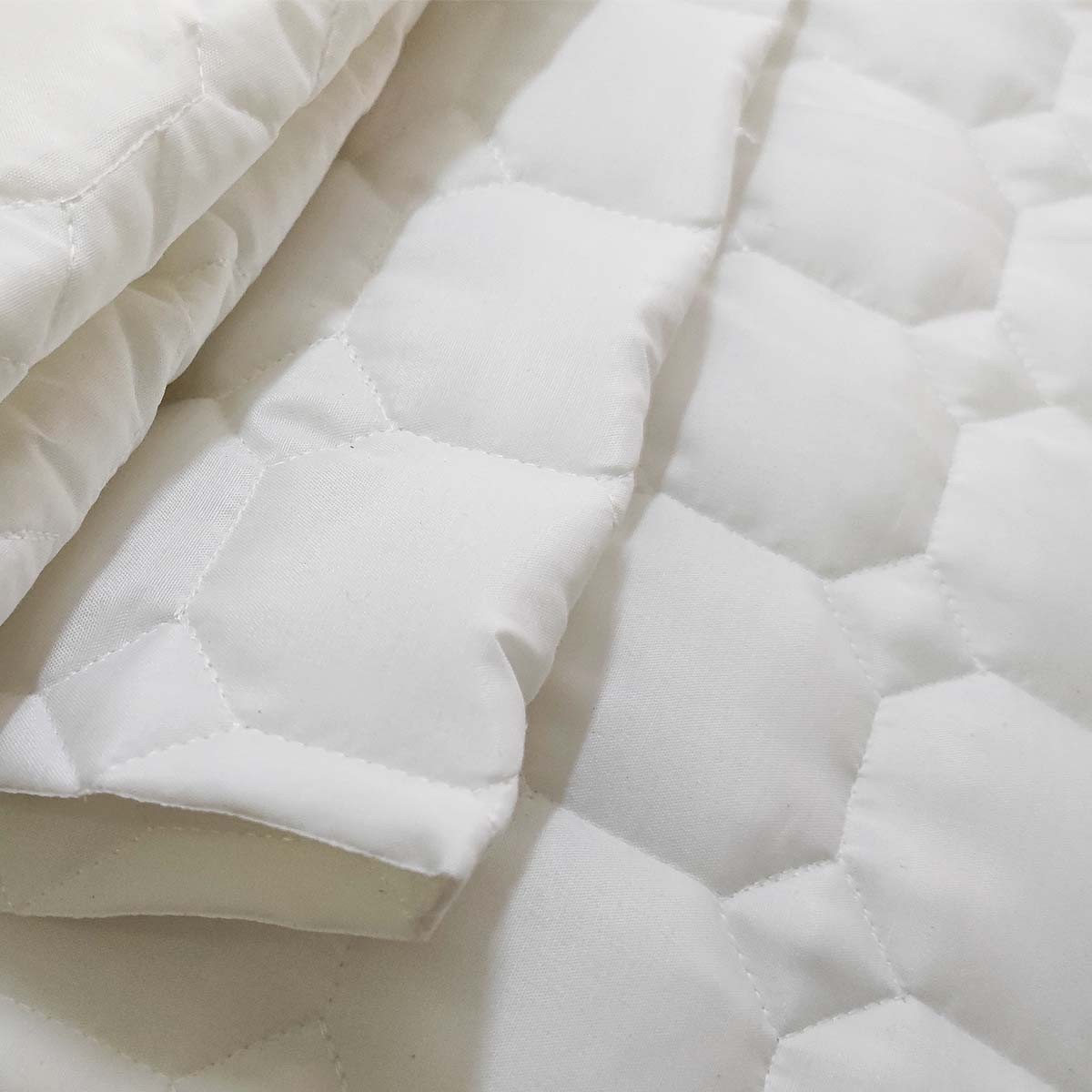
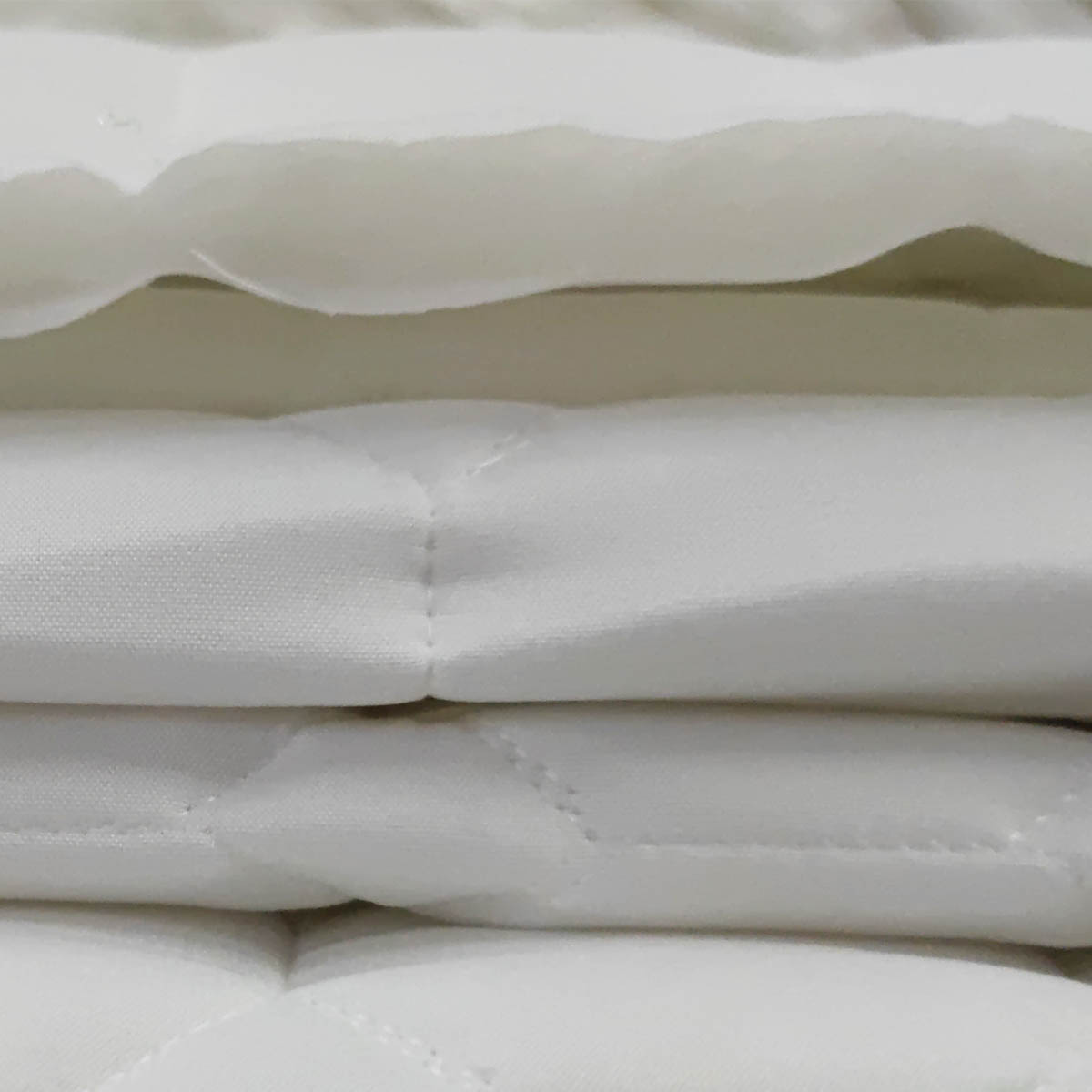
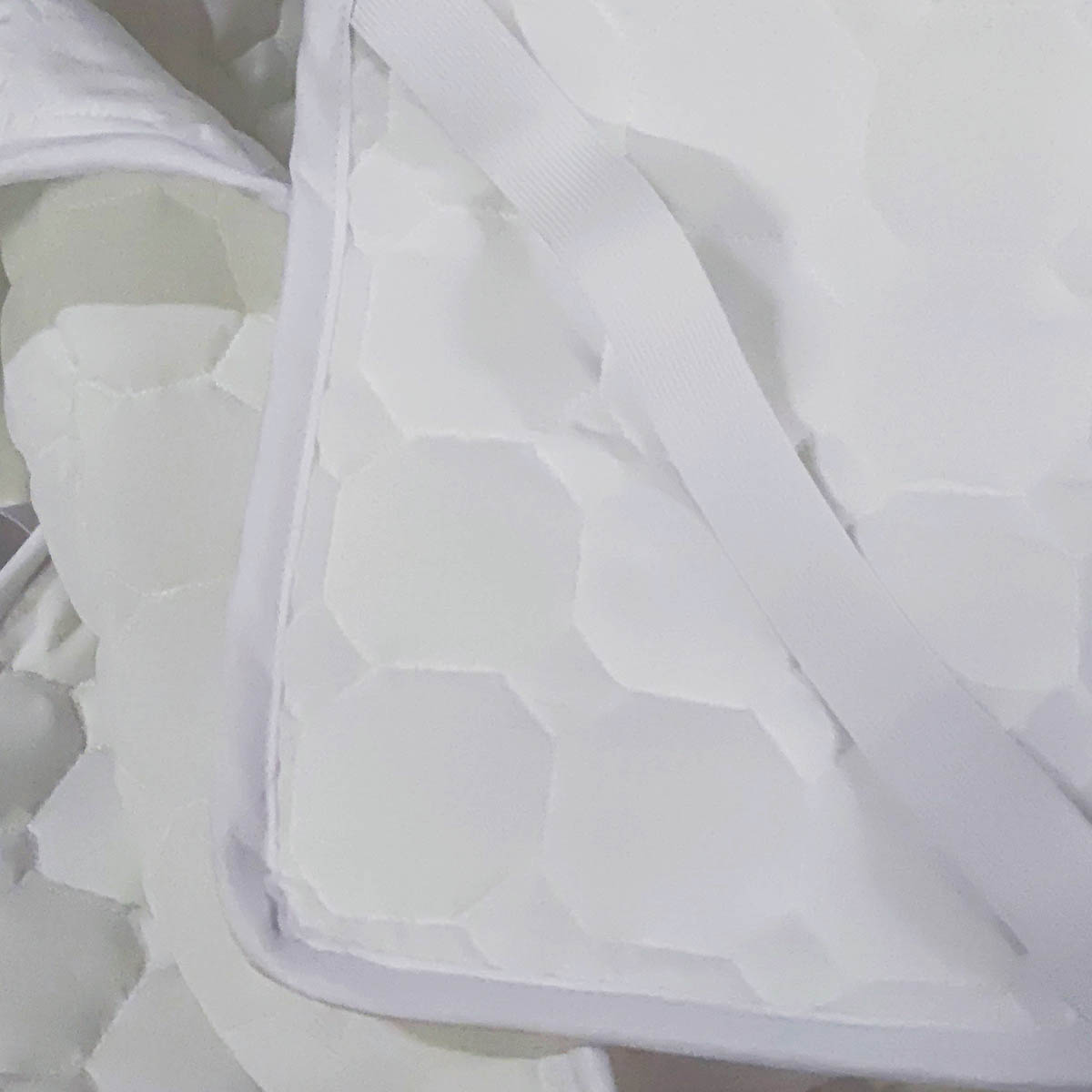
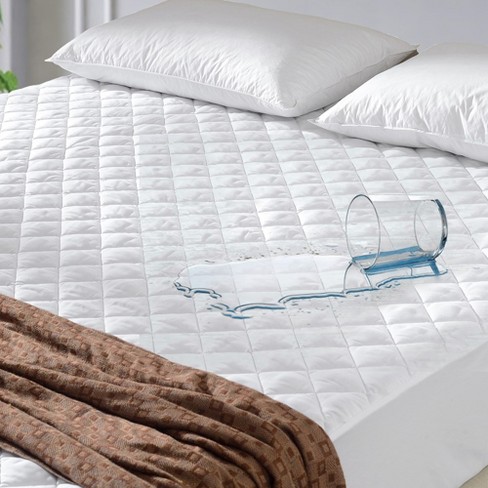
While a mattress topper is about luxury and comfort, a hotel mattress protector is about hygiene, safety, and preservation. In the hospitality industry, this is a non-negotiable "silent guardian" that sits directly beneath the bottom sheet to ensure every guest has a fresh, clinical-grade sleeping surface.
Hygiene Barrier: The average person loses about a pint of moisture (sweat) every night. Protectors prevent this—along with dead skin cells and oils—from seeping into the mattress core.
Allergen & Bed Bug Defense: High-quality hotel protectors are "encasements" or have "mite-tight" seams. This creates a physical barrier that prevents dust mites, bacteria, and bed bugs from entering or escaping the mattress.
Asset Preservation: A luxury hotel mattress is a major investment. Protectors can extend its lifespan by 30% by preventing the breakdown of materials caused by moisture and frequent deep-cleaning.
Waterproof Encasements: Used by mid-to-high-end hotels. They use a TPU (Thermoplastic Polyurethane) backing which is 100% waterproof but "breathable," meaning it blocks liquids but allows heat to escape so the guest doesn't get sweaty.
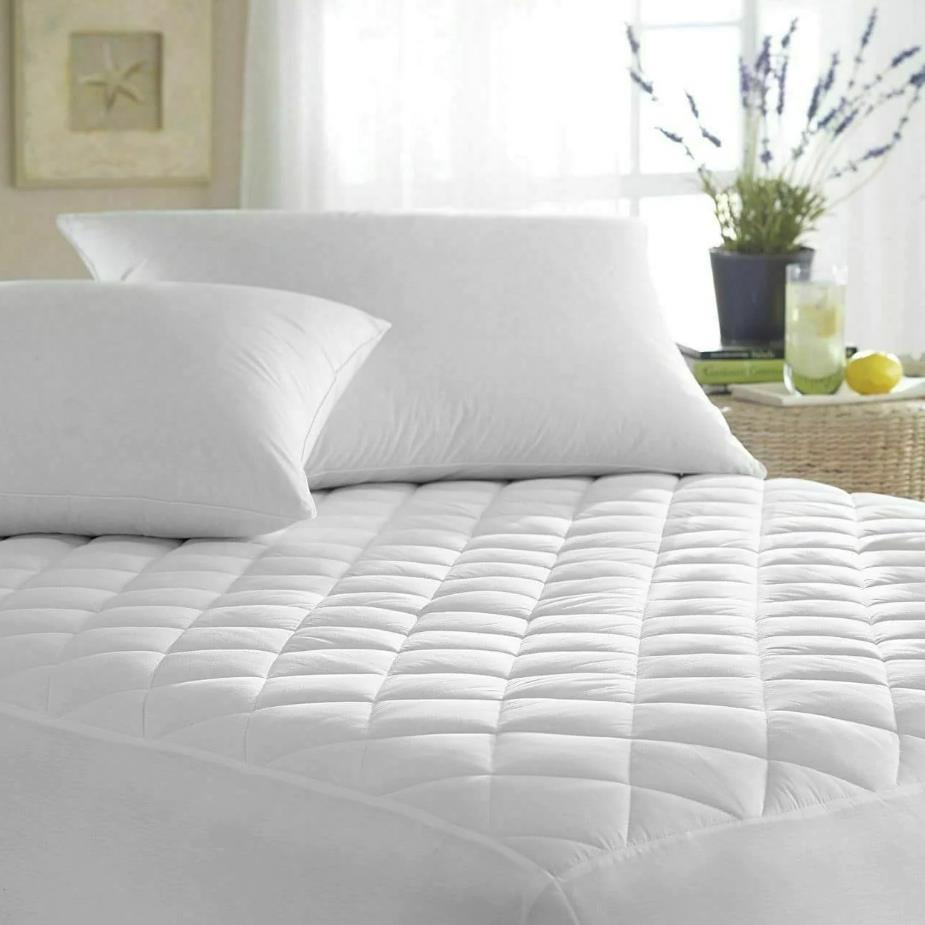
Quilted Protectors: Often found in luxury suites, these add a very thin layer of padding (usually cotton or polyester fill). They provide a "buffering" layer that makes the bed feel more substantial without changing the mattress's firmness.
Natural Fiber (Bamboo/Tencel): Increasingly popular in eco-friendly or 5-star hotels. These materials are naturally cooling, moisture-wicking, and hypoallergenic.