


The Whole List of All Three MICHELIN Key Hotels in 2026
Release date: 2026-10-07Release Date: 2026-08-06 10:12:32
A detailed hotel guest guide uplifts the overall stay by providing instant, clear answers to common questions. . It cuts down front desk wait times, gives instant answers for room amenities, and highlights local hidden gems, making guests feel confident and well-cared for from the moment they arrive.
Fast answers: Provides instant details on Wi-Fi codes, TV remotes, and HVAC controls without calls to reception.
Staff relief: Lowers routine front desk calls so employees can focus on high-touch service.
Local connection: Shares curated neighborhood food and activity tips.
Clear upsells: Promotes on-site spa, dining, or late check-out options smoothly.
Keep it short: Use simple bullet points instead of dense paragraphs.
Go mobile: Offer a digital version via QR code for easy phone access.
Update often: Ensure restaurant hours and local tips stay current.
Most hotel guest guide are ignored because they are poorly designed, overly complicated, or hard to find. When a guide feels like homework, guests will simply ignore it and ask the front desk instead.
Too long: Heavy binders with paragraphs of text overwhelm tired travelers.
Outdated data: Old restaurant lists and wrong phone numbers quickly break guest trust.
Bad placement: Hiding the book in a desk drawer instead of leaving it in plain sight.
Hard to read: Tiny fonts, cluttered layouts, or lack of translated versions for international travelers.
Strict rules: Starting with a long list of "Don'ts" and fines creates an immediate negative tone.
Lead with the essentials: Put the Wi-Fi password and checkout time on the very first page.
Use visual anchors: Replace blocks of text with icons, maps, and bullet points.
Display a QR code: Place a small, clear sign on the nightstand or kitchen counter linking to a mobile-friendly version.
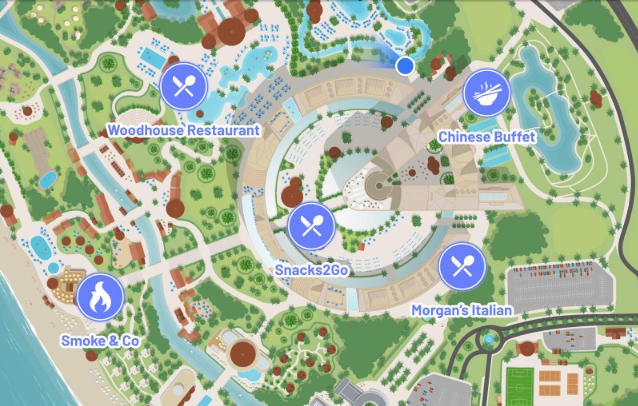
The neighborhood acts as a direct extension of your hotel lobby. If a guest gets lost, eats a terrible meal down the street, or struggles to find parking nearby, that frustration bleeds directly into their overall review of your property.
Integrating the local community into your service strategy transforms your hotel from just a place to sleep into a gateway to the city.
Mood spillover: A fantastic local dinner puts guests in a great mood before they even return to their room.
Safety and comfort: Clear neighborhood guidance removes anxiety about walking around an unfamiliar area.
Experiential demand: Modern travelers judge a stay by the unique local memories they make, not just the thread count of your sheets.
Forge local perks: Partner with the cafe next door for a guest discount or free pastry.
Train staff as guides: Ditch generic scripts and empower front desk agents to share their personal favorite local spots.
Bring the outside in: Feature local coffee roasters, regional soaps, or artwork from neighborhood creators inside the rooms.
Address neighborhood friction: Proactively warn guests about local quirks, like nearby Friday morning street sweeping or tricky public transit transfers.
To make neighborhood tips engaging, you must treat your guide like a lifestyle magazine rather than a directory. Guests scan rather than read, so bite-sized, visual layouts will keep them hooked. If you don't know how to start, maybe you can try a AI book writer.
Instead of listing restaurants alphabetically, group your recommendations by the guest's mood or specific needs.
"For the Morning Rush": The best coffee shop within a two-minute walk.
"To Impress a Date": The top upscale dinner spot with an outdoor patio.
"Where the Locals Go": A hidden dive bar or neighborhood market away from tourists.
"Rainy Day Backups": Nearby museums, bowling alleys, or indoor arcades.
Too many choices cause decision fatigue. Limit your recommendations strictly to your top three picks per category.
Curate tightly: Pick only your absolute favorites to save guests from endless scrolling.
Explain why: Write one short sentence explaining exactly what to order or see.
Add a pro-tip: Include a brief insider secret, like "Ask for the secret hot sauce" or "Go at sunset."
Break up text walls by making the neighborhood section highly scannable and interactive.
Custom Google Map: Pin all locations on a digital map and link it via a QR code.
Walking times: Use minutes instead of miles so guests immediately know the effort required.
Bold pricing icons: Use clear markers so guests can gauge the budget instantly.
Read More
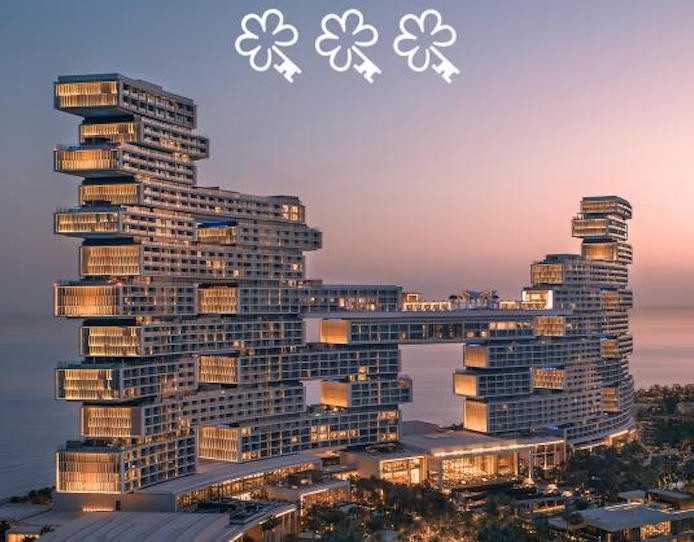
The Whole List of All Three MICHELIN Key Hotels in 2026
Release date: 2026-10-07
EastWest Inside: Hotel Linen Manufacturing Process
Release date: 2026-09-21
Top Rated Pet-Friendly Hotels Around the World
Release date: 2026-09-08