


The Whole List of All Three MICHELIN Key Hotels in 2026
Release date: 2026-10-07Release Date: 2026-08-06 11:07:37
Designing a hotel inspired by Christopher Nolan's The Odyssey (2026) requires a blend of massive physical scale, raw natural geography, and structural realism. Rather than standard Hollywood fantasy, Nolan and production designer Ruth De Jong built a physical world across six countries—spanning sun-baked Mediterranean coastlines, Moroccan clay fortresses, and Icelandic glaciers.
To bring this cinematic language into a hospitality environment, focus on architectural "weight," grounding textures, and a strong sense of xenia (the ancient Greek law of hospitality).
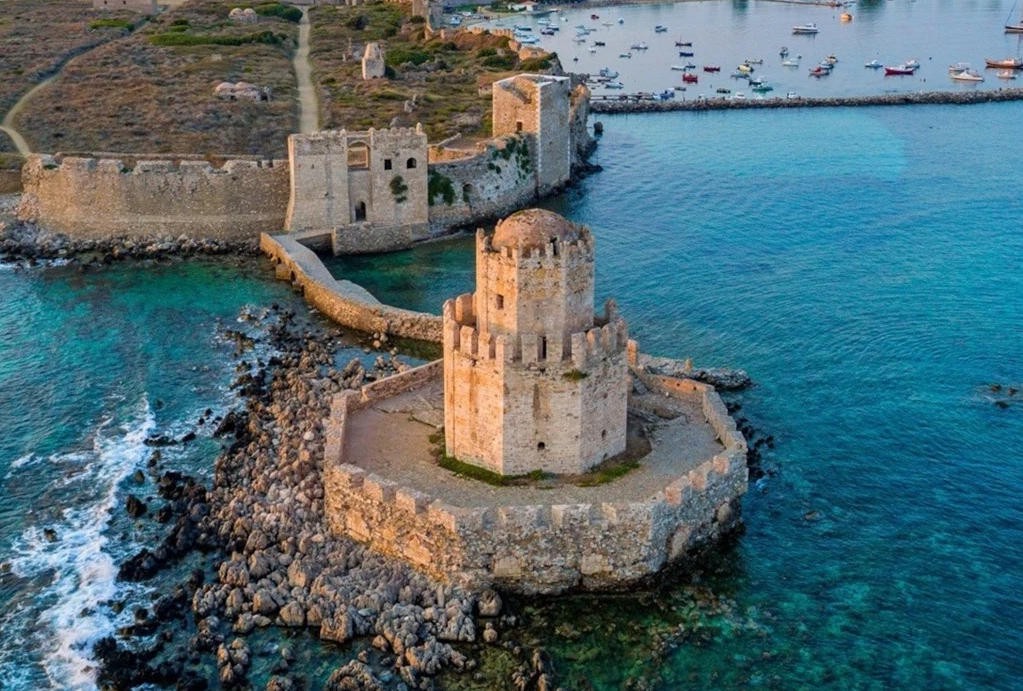
Nolan’s set design rejects digital illusion in favor of tangible, monumental spaces.
Monolithic Proportions: Use oversized, heavy architectural elements like thick, unpolished marble Doric columns, immense archways, and imposing stone walls.
Stark Minimalism: Keep structural lines crisp and geometric. Avoid unnecessary clutter; let the sheer physical volume and scale of the rooms create the atmosphere.
Physical Anchors: Introduce heavy focal elements, like a massive multi-ton sculptural centerpiece in the lobby (a nod to the film's physical 4,000 kg Trojan horse set).
The movie moves far beyond standard sun-bleached imagery, contrasting the warmth of the Mediterranean with harsh, dramatic wilderness.
Earth & Clay: Use sun-baked red clay, mud-brick plaster textures (tadelakt), and terracotta tile, echoing the fortress sets built in Aït Benhaddou, Morocco.
Volcanic & Glacial Textures: Balance warm earth tones with dark volcanic rock, basalt accents, and raw, frosted glass partitions to capture the mood of the film's Aeolian Island and Icelandic settings.
Raw Timbers & Canvas: Incorporate rough-sawn timber beams and heavy canvas drapery to give spaces a weathered, nautical feel—evoking Odysseus’s ships and clifftop camps.
Like a Nolan film shot on 70mm and IMAX film, the lighting must feel grand and deliberate.
High-Contrast Chiaroscuro: Use shadows to create dramatic depth. Combine dark, intimate corridors lit only by warm, flickering light (like modern torch fixtures or storm lanterns) with brilliantly illuminated main halls.
The Framed Horizon: Design common areas and guest rooms with vast, unobstructed floor-to-ceiling windows. Frame external views—such as a coastline, a rocky hillside, or a pool—as if they were widescreen cinematic shots.
The "Banquet Hall" Entrance: Make the lobby an open, majestic hall centered around a large gathering table or an open hearth to immediately set a narrative tone.
Design Breakdown Summary
| Hotel Zone | Key Design Application | Inspired By |
|---|---|---|
| Lobby & Reception | Monolithic stone desks, high ceilings, massive timber arches, central hearth. | The banquet halls of Ithaca. |
| Corridors | Narrow, high-contrast paths with textured red-clay walls and low-level lantern lighting. | The historic alleyways of Troy/Aït Benhaddou. |
| Guest Rooms | Minimalist stone or plaster finish, heavy hotel linens, framed landscape window views. | Luxury retreats like The Romanos and The Dolli. |
| Outdoor Pool / Lounge | Infinity edge dropping into natural rock formations, rough volcanic stone tile. | The coastal Cyclops and Siren sequences. |
To truly match Nolan's vision, the hotel's operation should reflect the film's core theme: xenia, the absolute sacred duty of treating travelers with ultimate respect.
The Welcoming Ritual: Design an intimate check-in experience that feels like a refuge from a long journey. Skip sterile reception counters for comfortable seating where guests are immediately offered local refreshments.
The Hidden Details: Embed historical quotes, ancient geometric motifs, or subtle nods to Homeric storytelling into the room keys, menus, and textiles.
Any hotels in real life The Odyssey filmed in?
An adaptation of Homer’s poem, The Odyssey features an extraordinary cast alongside Matt Damon as Ulysses: Tom Holland, Anne Hathaway, Zendaya, Charlize Theron, Robert Pattinson and Lupita Nyong’o, directed by Christopher Nolan. The worldwide release is set for July 17, 2026.
While Christopher Nolan’s epic film adaptation of The Odyssey was primarily shot on location in rugged, historic landscapes rather than inside modern buildings, several iconic hotels served as filming sets, temporary residences for the star-studded cast, or bases of production.
Here are the prominent real-life hotels and resorts tied directly to the production of The Odyssey:
🏨 Cast Residences & Filming Bases
Costa Navarino (Messenia, Greece): This sprawling luxury resort destination—which includes The Romanos, The Westin Resort, W Costa Navarino, and the Mandarin Oriental—served as the main base for the cast and crew. The crew filmed major segments nearby on Voidokilia Beach and at Nestor's Cave (used as the Cyclops' lair). To mark the film's release, the resort offers dedicated Odyssey-inspired historical trails and experiences.
The Seafield Arms (Cullen, Scotland): During the filming along the misty Moray Coast, lead actor Matt Damon and his family lived in an estate cottage here for two months. Christopher Nolan also used this hotel daily to screen raw footage from the coastal shoots.
La Mamounia (Marrakech, Morocco): This world-famous luxury hotel was utilized directly as an on-screen filming location while the production captured scenes around Marrakech and the ancient mud-brick village of Aït Benhaddou (which stood in for the city of Troy).
The Reykjavik EDITION (Reykjavík, Iceland): The primary luxury base where cast members stayed while filming the otherworldly, black-sand "Hades" sequences around the southern coast of Iceland.
Read More
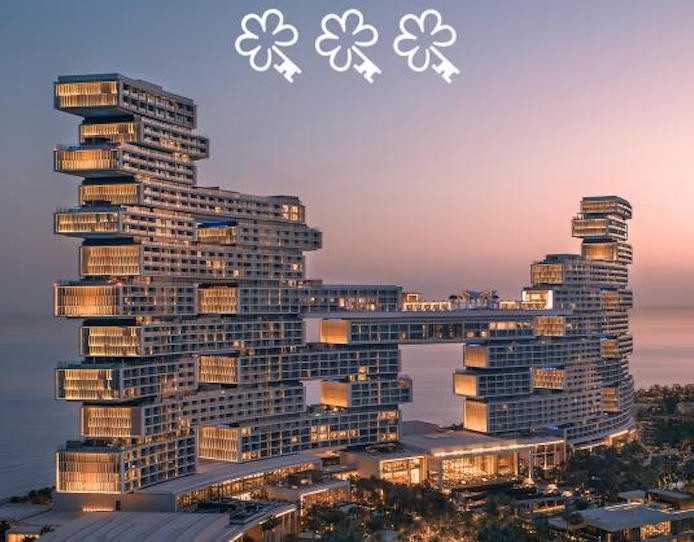
The Whole List of All Three MICHELIN Key Hotels in 2026
Release date: 2026-10-07
EastWest Inside: Hotel Linen Manufacturing Process
Release date: 2026-09-21
Top Rated Pet-Friendly Hotels Around the World
Release date: 2026-09-08