


The Whole List of All Three MICHELIN Key Hotels in 2026
Release date: 2026-10-07Release Date: 2026-07-23 15:47:30
Commercial laundries use a highly systematic, chemical, and thermal process to keep hotel linens bright white. They do not rely on standard household methods. Instead, they use commercial-grade formulas, strict temperature controls, and specialized equipment to prevent yellowing and fabric degradation.
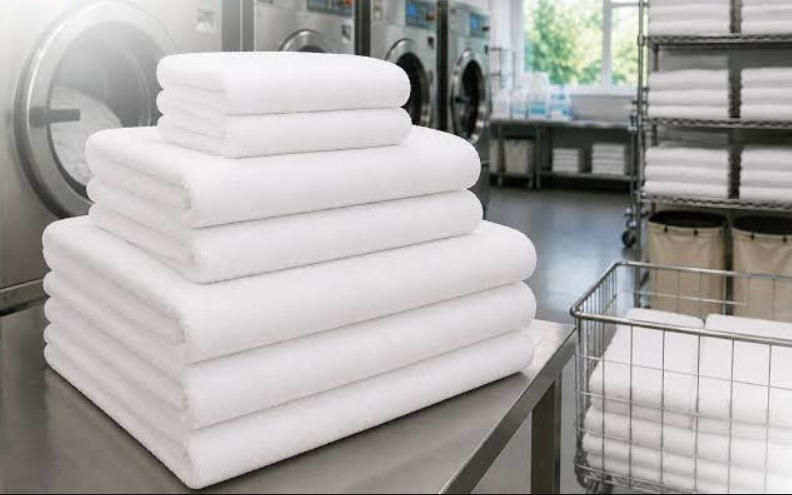
Hotel laundries follow a multi-step wash cycle designed to break down heavy oils and completely remove stains without damaging the fabric fibers:
Flush: A brief, low-temperature water rinse removes loose soil, sand, and surface dirt before chemicals are added.
Break: An alkaline solution is introduced to raise the water's pH level, which swells the cotton fibers and releases trapped grease and oils.
Suds: Commercial detergents with optical brighteners bond with remaining dirt particles and suspend them in the water.
Bleach: High-temperature chemical bleaching occurs in a dedicated step to oxidize organic stains and sanitize the fabric.
Rinse: Multiple rinses remove all suspended soil and leftover laundry chemicals from the load.
Sour: A mild acid treatment lowers the fabric's pH back to match human skin, neutralizing alkaline residues to prevent chemical yellowing.
Industrial facilities use precise chemical combinations rather than off-the-shelf grocery detergents:
Optical Brighteners: These specialized dyes absorb invisible ultraviolet light and re-emit it as blue light, masking natural yellow tones.
Hydrogen Peroxide: Laundries often prefer peroxide over chlorine bleach for whites because it is gentler on cotton fibers and prevents fabric thinning.
Water Softeners: Automated systems strip hard minerals like iron, calcium, and magnesium from the water supply to stop gray dinginess.
Antichlor Agents: When chlorine bleach is used, an antichlor chemical neutralizes the residual chlorine so it cannot scorch the fabric during drying.
The physical environment inside commercial tunnel washers and extractors dictates the final brightness of the linen:
Thermal Activation: Bleaching agents are strictly controlled at temperatures between 140°F and 160°F (60°C to 71°C) to maximize stain removal without baking stains into the fabric.
Controlled Extraction: High-speed spinning extracts optimal water weight, reducing the time linens spend in high-heat dryers.
Ironer Chemistry: Linens are fed into industrial ironers while slightly damp, using heat and massive mechanical pressure to flatten fibers and increase light reflection.
Read More
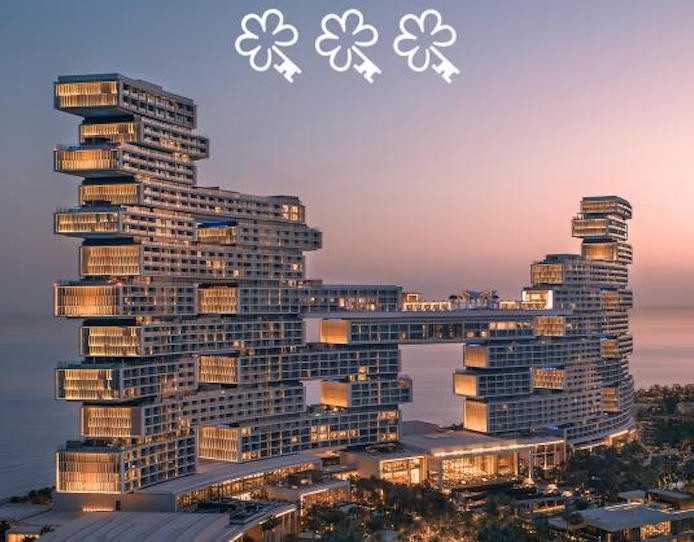
The Whole List of All Three MICHELIN Key Hotels in 2026
Release date: 2026-10-07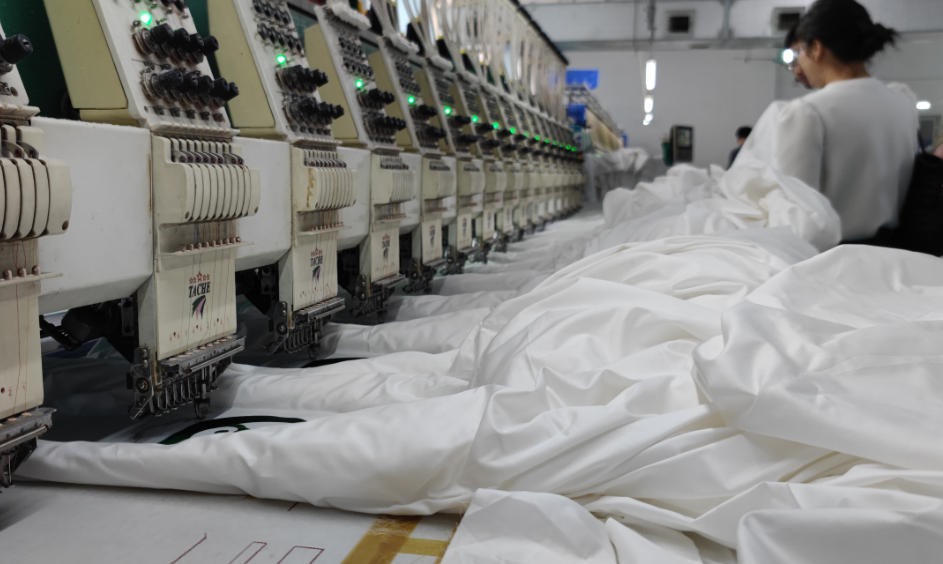
EastWest Inside: Hotel Linen Manufacturing Process
Release date: 2026-09-21
Top Rated Pet-Friendly Hotels Around the World
Release date: 2026-09-08