


The Whole List of All Three MICHELIN Key Hotels in 2026
Release date: 2026-10-07Release Date: 2026-07-22 15:47:30
To extend the lifespan of hotel bedding, you must establish a strict laundering routine focused on low-to-medium heat, minimal detergent, and proper fiber recovery. Commercial hotel sheets are subjected to intense mechanical stress, and aggressive washing practices will prematurely degrade even the highest-quality long-staple cotton.
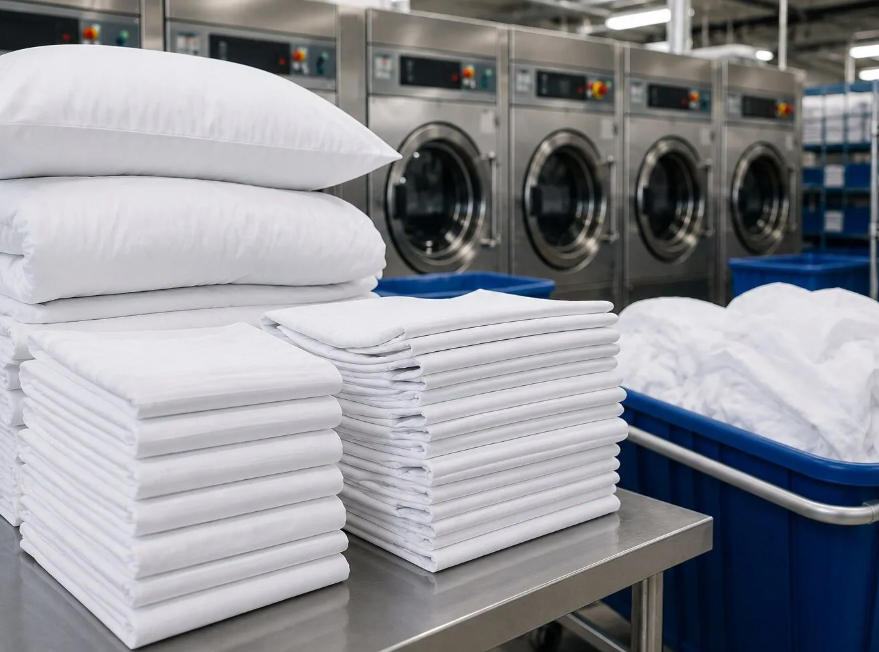
Sort by material and color: Never mix 100% cotton with poly-cotton blends or colored items to prevent friction tearing and gray dye rub.
Isolate stains immediately: Run a dedicated stain separation program where housekeepers flag soiled items for spot-cleaning before they enter the main wash, preventing stains from permanently baking into the fabric.
Fasten all closures: Button or zip up duvet covers and turn pillowcases inside out to protect the face fabric from friction.
Do not overload the drum: Wash bedding by category (sheets together, duvet covers together) and leave enough room for water and detergent to circulate freely.
Control the water temperature: Use warm water (60°C / 140°F) for whites to effectively sanitize without weakening long-staple fibers. Use cool water (40°C / 104°F) for colored items.
Halve the detergent amount: Use half the manufacturer's recommended amount of mild, liquid detergent. Excess soap creates a waxy residue buildup that traps body oils and stiffens the weave.
Eliminate fabric softeners: Softeners coat cotton fibers with a chemical lubricant that reduces absorbency and collapses the crisp, breathable structure characteristic of hotel percale and sateen.
Incorporate kitchen staples: Add 1/4 cup of baking soda to the wash cycle to soften hard water minerals and naturally brighten whites without bleach. Pour 1/2 cup of white vinegar into the fabric softener compartment to strip away soap buildup.
Avoid bone-dry cycles: Pull linens out of the dryer when they are roughly 95% dry (slightly damp). Over-drying cooks wrinkles into the fabric, cooks the molecular bonds of the cotton, and causes immediate shrinkage.
Utilize a cool-down cycle: Program tumble dryers to end with a cool-down phase to help the fibers relax, reducing deep wrinkles and minimizing fabric stress.
Enforce a 24-hour rest period: Once folded, let the bedding rest on the shelf for a full day before putting it back into service. This allows the cotton to naturally re-absorb atmospheric moisture and recover its structural tensile strength.
Keep storage climate-controlled: Store your backup stock in a cool, dark, and well-ventilated space. Never seal hotel linens in plastic bags, which trap condensation and cause yellowing, mold, or mildew.
Read More

The Whole List of All Three MICHELIN Key Hotels in 2026
Release date: 2026-10-07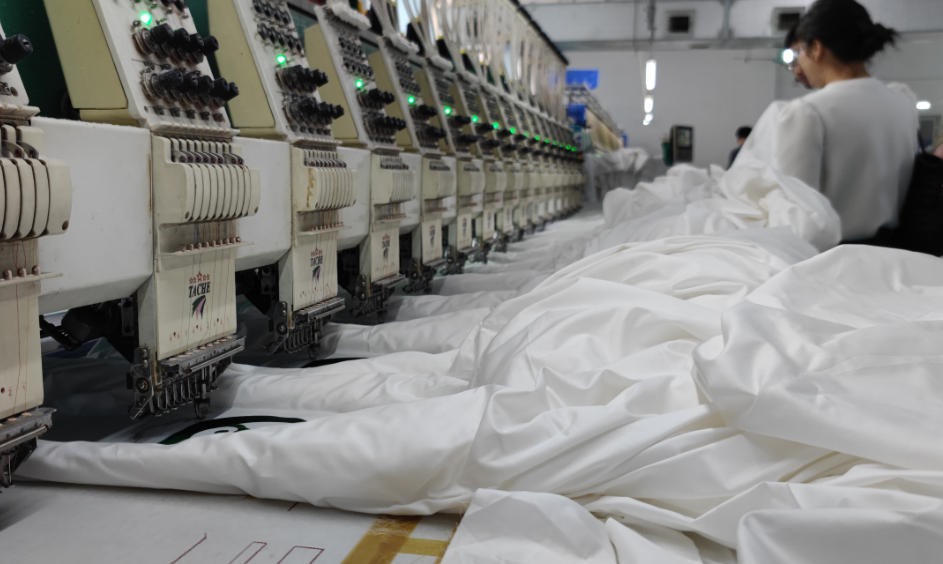
EastWest Inside: Hotel Linen Manufacturing Process
Release date: 2026-09-21
Top Rated Pet-Friendly Hotels Around the World
Release date: 2026-09-08