


Inside the Manufacturing and Quality Standards of a Premium Hotel Linen Supplier
Release date: 2026-10-29Release Date: 2026-11-24 10:59:59
A property that stands empty in winter is easy to forget. The owner is abroad, the tenants have left, or the house is between sales. Nobody is there to notice a cold snap, so nobody notices when water in a pipe turns to ice.
Frozen pipes in an empty property are a particular worry because the damage tends to appear after the thaw, when the ice melts and water flows through a split. By then the house may have been leaking for hours or days. In this guide we look at why empty homes freeze, what happens inside a pipe and how to lower the risk before the cold arrives.
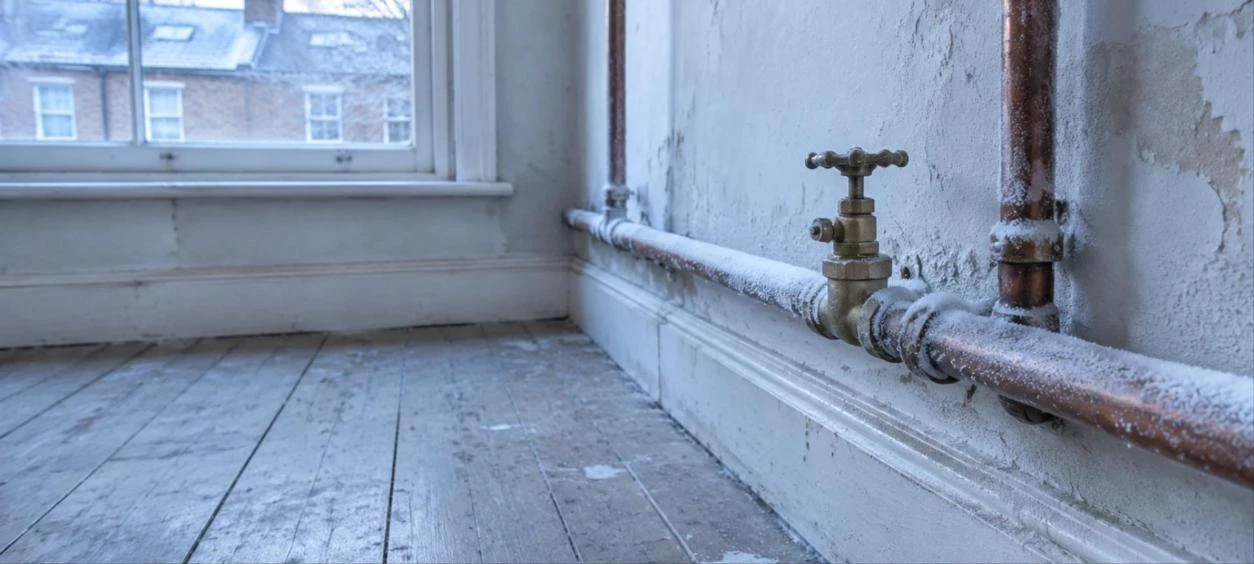
An occupied home holds heat. Heating runs, people cook, shower and open doors, and the building keeps a baseline warmth that protects its pipes. In an empty home the heating is often off or turned down, so the walls, loft and floors fall to the outdoor temperature.
The pipes most at risk are those in cold places. Loft tanks and the pipes around them, pipes along external walls, pipes in garages, cellars and under suspended floors, and outside taps all sit in the coldest parts of a building. A pipe that is fine in a heated house can freeze in an unheated one on the same night.
Water expands when it freezes. The ice itself rarely splits the pipe at the frozen point. Instead, the ice blocks the flow, and pressure builds between the blockage and the closed tap. That pressure finds the weakest point, often a joint or an old section, and splits it.
When the weather warms, the ice melts and the split opens. Water runs out under mains pressure. In an occupied home you would hear it or see it. In an empty one, it can run until someone arrives.
Take a terraced house left empty for a fortnight in January. A loft pipe freezes on the second night and splits quietly. On day nine the thaw arrives, and the leak begins and continues through ceilings for five days before a neighbour sees the stain on the front wall.
There is no way to remove the risk, but a few habits reduce it.
Keep the heating on at a low level. Many people choose a setting that holds the house above freezing. Check your boiler manual and thermostat for a frost protection mode.
Open loft hatches so that warm air from below reaches the roof space.
Make sure loft insulation sits above the tank and pipes, not under them, so they stay in the warmer part of the home.
Lag exposed pipes in garages, cellars and outside walls.
Drain outside taps and close their isolation valves.
If the home will stay empty for a long time, one option is to close the stopcock and drain the system. With no water in the pipes, nothing can freeze or split. Open the taps to empty the system, and leave them open. Note that this does not apply to sealed heating circuits, which are filled with water and a protective inhibitor, so follow the boiler maker's advice and do not drain those without an engineer.
Shutting off the water brings a trade-off. You lose the use of toilets and taps, and an empty system may need a plumber to refill and check. For a short absence, a low heating setting is usually simpler.
The best protection is a visit. A neighbour, relative or letting agent who checks the property weekly can spot a stain, a drip or a cold radiator before the damage spreads. Give them the location of the stopcock and a number to call.
Landlords have extra reasons to check. A void period is when a small leak can become a claim, and an insurer may expect reasonable steps to be taken. Keep a written record of any checks you make.
Do not use a naked flame or a blowtorch to thaw it. Close the stopcock, open the nearest taps, and warm the pipe slowly with a hairdryer on a low setting or a hot water bottle. Start at the tap end and work back toward the frozen section. Check along the pipe for a split as it thaws.
If a pipe has split, leave the water off, switch off electricity if water is near sockets and call a plumber. Knowing how to turn off your water supply quickly limits the damage, though any registered plumber can help with the repair.
The best time to prepare an empty property is before the first frost. Check the insulation, find the stopcock, test the heating and arrange a regular visit. Write the plan on a sheet and leave a copy in the property.
A home that is cold, quiet and unwatched is a risk even in a mild winter. A small amount of planning turns that risk into a routine.
The pipes that freeze are often the ones nobody thinks about: those in a loft, a garage, an unheated utility room, an outside tap or a cupboard on an external wall. Walk through the property once in autumn and list every place where a pipe runs through a cold space. Check that lagging is in place and that it has not slipped or been disturbed by other work.
Outside taps should be isolated from inside where possible and drained, so that no water sits in the short length of pipe exposed to the weather.
Where a home is let, agree in advance who will check on it and how often during cold weather. Make sure the tenant or caretaker knows where the stopcock is and how to close it. For a shared building, tell neighbours how to reach you if something goes wrong, because a burst in one flat can affect several others.
Find and test the stopcock so you know it turns.
Check lagging on loft, garage and external-wall pipes.
Decide whether the heating stays on low or the water is drained.
Leave a contact number with a neighbour or friend.
Photograph the meter reading before you leave, so that you can spot a leak later.
A pipe that froze can crack without leaking until the ice melts. When temperatures rise, check ceilings, walls and floors for damp marks, listen for running water and watch the meter with every tap closed. A moving meter with nothing in use is a sign of a leak that needs attention.
Read More

Inside the Manufacturing and Quality Standards of a Premium Hotel Linen Supplier
Release date: 2026-10-29
The Whole List of All Three MICHELIN Key Hotels in 2026
Release date: 2026-10-07
Which 5 Star Hotel Brand Has the Best Hotel Bedding?
Release date: 2026-08-31